Mostrando entradas con la etiqueta Information. Mostrar todas las entradas

viernes, 2 de octubre de 2009

The abuse of mediatic coverage on Swine Flu AH1N1

A dramatic documentary that tells the evidence in detail and numbers behind the swine flu and all the media attention received.
It is no secret that the swine flu pandemic is one of the most attention received in the history of mankind. The media has supported a monstrous campaign about a disease that has become even less  victims that common diseases existed for decades and with no newspapers headers.
For more information, see this interesting documentary covering forgotten aspects of influenza A (H1N1), the origins of Tamiflu and its side effects, the names of the people involved and events that bring us closer to the reality of a big lie. (in spanish)

domingo, 14 de junio de 2009

Airports are using thermal imaging cameras to see if travelers have fevers.


cameras


Influenza pandemic alert raised to phase 6


11.June.2009

Dr Margaret Chan
Director-General of the World Health Organization


“Ladies and gentlemen,

A characteristic feature of pandemics is their rapid spread to all parts of the world. In the previous century, this spread has typically taken around 6 to 9 months, even during times when most international travel was by ship or rail.

Countries should prepare to see cases, or the further spread of cases, in the near future. Countries where outbreaks appear to have peaked should prepare for a second wave of infection.

Guidance on specific protective and precautionary measures has been sent to ministries of health in all countries. Countries with no or only a few cases should remain vigilant.

Countries with widespread transmission should focus on the appropriate management of patients. The testing and investigation of patients should be limited, as such measures are resource intensive and can very quickly strain capacities.

WHO has been in close dialogue with influenza vaccine manufacturers. I understand that production of vaccines for seasonal influenza will be completed soon, and that full capacity will be available to ensure the largest possible supply of pandemic vaccine in the months to come.

Pending the availability of vaccines, several non-pharmaceutical interventions can confer some protection.

WHO continues to recommend no restrictions on travel and no border closures.

Influenza pandemics, whether moderate or severe, are remarkable events because of the almost universal susceptibility of the world’s population to infection.

We are all in this together, and we will all get through this, together.

Thank you.”


viernes, 22 de mayo de 2009

Swine Influenza Symptoms A(H1N1)

swsw

Although uncomplicated influenza-like illness (fever, cough or sore throat) has been reported in many cases, mild respiratory illness (nasal congestion,  rhinorrhea) without fever and occasional severe disease also has been reported. Other symptoms reported with swine influenza A virus infection include vomiting, diarrhea, myalgia, headache, chills, fatigue, and dyspnea. Conjunctivitis is rare, but has been reported. Severe disease (pneumonia, respiratory failure) and fatal outcomes have been reported with swine influenza A virus infection. The potential for exacerbation of underlying chronic medical conditions or invasive bacterial infection with swine influenza A virus infection should be considered.


lunes, 18 de mayo de 2009

Advice on the use of masks in the community setting in Influenza A (H1N1) outbreaks

mask

Background
At present, evidence suggests that the main route of human-to-human transmission of the new Influenza A (H1N1) virus is via respiratory droplets, which are expelled by speaking, sneezing or
coughing.
Any person who is in close contact (approximately 1 metre) with someone who has influenza-like symptoms (fever, sneezing, coughing, running nose, chills, muscle ache etc) is at risk of being
exposed to potentially infective respiratory droplets.
In health-care settings, studies evaluating measures to reduce the spread of respiratory viruses suggest that the use of masks could reduce the transmission of influenza.2 Advice on the use of
masks in health-care settings is accompanied by information on additional measures that may have impact on its effectiveness, such as training on correct use, regular supplies and proper
disposal facilities. In the community, however, the benefits of wearing masks has not been established, especially in open areas, as opposed to enclosed spaces while in close contact with
a person with influenza-like symptoms.
Nonetheless, many individuals may wish to wear masks in the home or community setting, particularly if they are in close contact with a person with influenza-like symptoms, for example
while providing care to family members. Furthermore, using a mask can enable an individual with influenza-like symptoms to cover their mouth and nose to help contain respiratory droplets,
a measure that is part of cough etiquette.
Using a mask incorrectly however, may actually increase the risk of transmission, rather than reduce it. If masks are to be used, this measure should be combined with other general measures to help prevent the human-to-human transmission of influenza, training on the correct use of masks and consideration of cultural and personal values.

General advice
It is important to remember that in the community setting the following general measures may be more important than wearing a mask in preventing the spread of influenza.


For individuals who are well:
Maintain distance of at least 1 metre from any individual with influenza-like symptoms, and:
• refrain from touching mouth and nose;
• perform hand hygiene frequently, by washing with soap and water or using an alcoholbased
handrub 3 , especially if touching the mouth and nose and surfaces that are
potentially contaminated;
• reduce as much as possible the time spent in close contact with people who might be ill;
• reduce as much as possible the time spent in crowded settings;
• improve airflow in your living space by opening windows as much as possible.


For individuals with influenza-like symptoms:
• stay at home if you feel unwell and follow the local public health recommendations;
• keep distance from well individuals as much as possible (at least 1 metre);
• cover your mouth and nose when coughing or sneezing, with tissues or other suitable
materials, to contain respiratory secretions. Dispose of the material immediately after use
or wash it. Clean hands immediately after contact with respiratory secretions!
• improve airflow in your living space by opening windows as much as possible.
If masks are worn, proper use and disposal is essential to ensure they are potentially
effective and to avoid any increase in risk of transmission associated with the incorrect
use of masks. The following information on correct use of masks derives from the practices in
health-care settings4:
• place mask carefully to cover mouth and nose and tie securely to minimise any gaps
between the face and the mask
• while in use, avoid touching the mask
− whenever you touch a used mask, for example when removing or washing, clean
hands by washing with soap and water or using an alcohol-based handrub
• replace masks with a new clean, dry mask as soon as they become damp/humid
• do not re-use single-use masks
− discard single-use masks after each use and dispose of them immediately upon
removing.


Although some alternative barriers to standard medical masks are frequently used (e.g. cloth mask, scarf, paper masks, rags tied over the nose and mouth), there is insufficient information
available on their effectiveness. If such alternative barriers are used, they should only be used once or, in the case of cloth masks, should be cleaned thoroughly between each use (i.e. wash
with normal household detergent at normal temperature). They should be removed immediately after caring for the ill. Hands should be washed immediately after removal of the mask.


lunes, 11 de mayo de 2009

Important Update: About antiviral drugs against influenza A(H1N1)

 
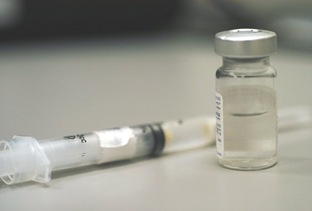
vaccine
For what purposes can antiviral drugs be used against influenza A(H1N1)?

So far most people who have contracted the new A (H1N1) virus have experienced influenza-like symptoms (such as sore throat, cough, runny nose, fever, malaise, headache, joint/muscle pain) and recovered without antiviral treatment.

Antiviral drugs may reduce the symptoms and duration of illness, just as they do for seasonal influenza. They also may contribute to preventing severe disease and death. Influenza A (H1N1) is a new virus and only a small number of people with the infection have been treated for it with antiviral drugs. WHO is in touch with public health authorities and clinicians in affected countries and is gathering information about how effective the drugs are.

To which antiviral drugs does this influenza virus respond?

There are two classes of antiviral drugs for influenza: inhibitors of neuraminidase such as oseltamivir and zanamivir; and adamantanes, such as amantadine and rimantadine. Tests on viruses obtained from patients in Mexico and the United States have indicated that current new H1N1 viruses are sensitive to neuraminidase inhibitors, but that the viruses are resistant to the other class, the adamantanes.

Could the virus become resistant to oseltamivir and zanamivir?

Resistance can develop to antiviral drugs used for influenza. Therefore, WHO and its partners are monitoring antiviral drug resistance.

Under what circumstances should antiviral drugs be administered?

Antiviral drugs are to be used according to national pandemic influenza preparedness plans. Public health authorities in some countries have decided to treat patients likely to have this disease as a part of public health measures.

Where antiviral drugs are available for treatment, clinicians should make decisions based on assessment of the individual patient's risk. Risks versus benefits should also be evaluated on a case by case basis.

What is WHO doing about getting antiviral drugs to countries as preparation for a pandemic?

WHO’s first priority is to provide an emergency stock of antiviral drugs to countries that have no or insufficient stock of the drugs and lack the capacity to procure these drugs themselves.

WHO is also working with Member States, donors and other groups that have stockpiles and are willing to share these with WHO for distribution to countries in need.

Which drug will be provided, and how much of it does WHO have available?

WHO had a global stockpile of approximately 5 million adult treatment courses of oseltamivir. Part of this stockpile has already been distributed through the WHO Regional Offices, which are handling allocation and distribution. WHO is currently distributing the remaining 3 million adult treatment courses of this stockpile to developing countries in need.

WHO continues to assess needs and to work with manufacturers to secure more donations of antivirals. More antiviral drugs will be distributed once these donations are received.

Which countries will receive the drug, and how will they be selected?

WHO has arranged the first deployment of antiviral drugs from the WHO stockpile to 72 countries. Priority was given to vulnerable countries, taking into consideration national manufacturing and procurement capacity. As necessary, other countries will be supported through regional office stockpiles.

What if the initial emergency deployment turns out to be inadequate?

WHO is in discussion with manufacturers regarding the potential need for scaling up production. It is WHO’s understanding that manufacturers have plans for producing large numbers of treatments quickly.

WHO will work on behalf of its Member States to secure further antivirals as needed, either through donations or purchase at the lowest possible price.


lunes, 27 de abril de 2009

Development of the virus H1N1 - Swine Virus


Swine Influenza update - 27 April 2009


27 April 2009 -- The current situation regarding the outbreak of swine influenza A(H1N1) is evolving rapidly. As of 27 April 2009, the United States Government has reported 40 laboratory confirmed human cases of swine influenza A(H1N1), with no deaths. Mexico has reported 26 confirmed human cases of infection with the same virus, including seven deaths. Canada has reported six cases, with no deaths, while Spain has reported one case, with no deaths.

Further information on the situation will be available on the WHO website on a regular basis.

WHO advises no restriction of regular travel or closure of borders. It is considered prudent for people who are ill to delay international travel and for people developing symptoms following international travel to seek medical attention, in line with guidance from national authorities.

There is also no risk of infection from this virus from consumption of well-cooked pork and pork products. Individuals are advised to wash hands thoroughly with soap and water on a regular basis and should seek medical attention if they develop any symptoms of influenza-like illness.


How can I protect myself from getting swine influenza from infected people?


gasmask

In the past, human infection with swine influenza was generally mild but is known to have caused severe illness such as pneumonia For the current outbreaks in the United States and Mexico however, the clinical pictures have been different. None of the confirmed cases in the United States have had the severe form of the disease and the patients recovered from illness without requiring medical care. In Mexico, some patients reportedly had the severe form of the disease.

mask


To protect yourself, practice general preventive measures for influenza:
• Avoid close contact with people who appear unwell and who have fever and cough.
• Wash your hands with soap and water frequently and thoroughly.
• Practice good health habits including adequate sleep, eating nutritious food, and keeping physically active.
If there is an ill person at home:
• Try to provide the ill person a separate section in the house. If this is not possible, keep the patient at least 1 meter in distance from others.
• Cover mouth and nose when caring for the ill person. Masks can be bought commercially or made using the readily available materials as long as they are disposed of or cleaned properly.
• Wash your hands with soap and water thoroughly after each contact with the ill person.
• Try to improve the air flow in the area where the ill person stays. Use doors and windows to take advantage of breezes.
• Keep the environment clean with readily available household cleaning agents.


If you are living in a country where swine influenza has caused disease in humans, follow additional advice from national and local health authorities.


What should I do if I think I have swine influenza?


If you feel unwell, have high fever, cough and/or sore throat:
• Stay at home and keep away from work, school or crowds as much as possible.
• Rest and take plenty of fluids.
• Cover your mouth and nose with disposable tissues when coughing and sneezing and dispose of the used tissues properly.
• Wash your hands with soap and water frequently and thoroughly, especially after coughing or sneezing.
• Inform family and friends about your illness and seek help for household chores that require contact with other people such as shopping.


If you need medical attention:


• Contact your doctor or healthcare provider before travelling to see them and report your symptoms. Explain why you think you have swine influenza (for example, if you have recently travelled to a country where there is a swine influenza outbreak in humans). Follow the advice given to you for care.
• If it is not possible to contact your healthcare provider in advance, communicate your suspicion of having swine influenza immediately upon arrival at the healthcare facility.
• Take care to cover your nose and mouth during travel.

What about the pandemic risk of swine influenza?

flu

It is likely that most of people, especially those who do not have regular contact with pigs, do not have immunity to swine influenza viruses that can prevent the virus infection. If a swine virus establishes efficient human-to human transmission, it can cause an influenza pandemic. The impact of a pandemic caused by such a virus is difficult to predict: it depends on virulence of the virus, existing immunity among people, cross protection by antibodies acquired from seasonal influenza infection and host factors.


Is it safe to eat pork and pork products?


pork061218_560

Yes. Swine influenza has not been shown to be transmissible to people through eating properly handled and prepared pork (pig meat) or other products derived from pigs. The swine influenza virus is killed by cooking temperatures of 160F/70C, corresponding to the general guidance for the preparation of pork and other meat.


Etiquetas de Technorati: ,,,,,

Swine Influenza: What are the implications for human health?


Outbreaks and sporadic human infection with swine influenza have been occasionally reported. Generally clinical symptoms are similar to seasonal influenza but reported clinical presentation ranges broadly from asymptomatic infection to severe pneumonia resulting in death.
Since typical clinical presentation of swine influenza infection in humans resembles seasonal influenza and other acute upper respiratory tract infections, most of the cases have been detected by chance through seasonal influenza surveillance. Mild or asymptomatic cases may have escaped from recognition; therefore the true extent of this disease among humans is unknown.


What is Swine influenza?


Swine influenza, or “swine flu”, is a highly contagious acute respiratory disease of pigs, caused by one of several swine influenza A viruses. Morbidity tends to be high and mortality low (1-4%). The virus is spread among pigs by aerosols, direct and indirect contact, and asymptomatic carrier pigs. Outbreaks in pigs occur year round, with an increased incidence in the fall and winter in temperate zones. Many countries routinely vaccinate swine populations against swine influenza.
Swine influenza viruses are most commonly of the H1N1 subtype, but other subtypes are also circulating in pigs (e.g., H1N2, H3N1, H3N2). Pigs can also be infected with avian influenza viruses and human seasonal influenza viruses as well as swine influenza viruses. The H3N2 swine virus was thought to have been originally introduced into pigs by humans. Sometimes pigs can be infected with more than one virus type at a time, which can allow the genes from these viruses to mix. This can result in an influenza virus containing genes from a number of sources, called a "reassortant" virus. Although swine influenza viruses are normally species specific and only infect pigs, they do sometimes cross the species barrier to cause disease in humans.